ISFP: The Artist | Jungian Personality Type 9
People with ISFP (introverted, sensing, feeling, perceiving) personality type are often described as friendly and sensitive.
ISFP: The Artist | Jungian Personality Type 9 Read article

Contemporary Psychology & Psychometrics
Contemporary Psychology & Psychometrics

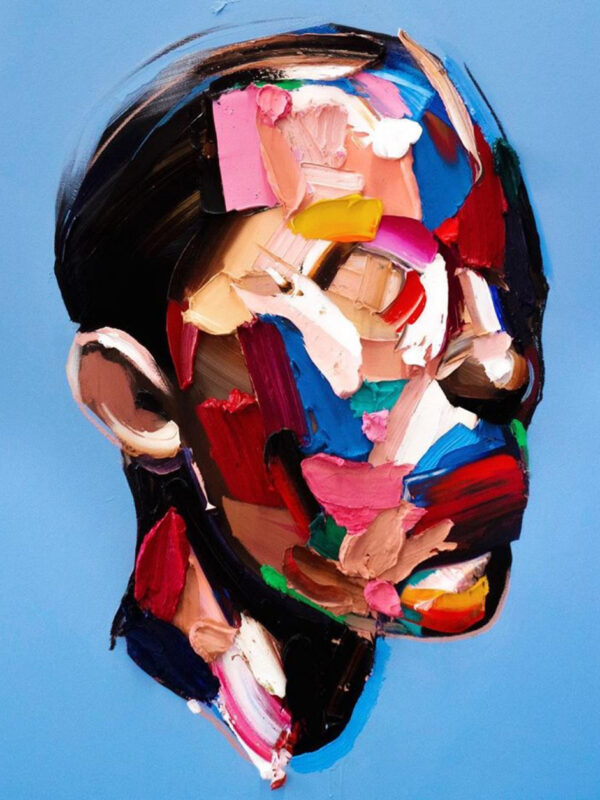
People with ISFP (introverted, sensing, feeling, perceiving) personality type are often described as friendly and sensitive.
ISFP: The Artist | Jungian Personality Type 9 Read article
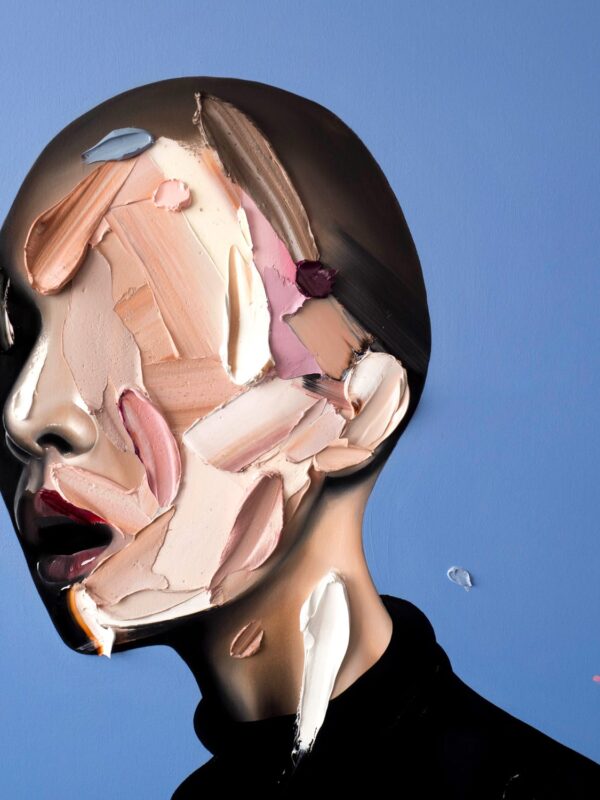
People with ENTJ (extraverted, intuitive, thinking, judging) personality type are often described as assertive, confident, and outspoken.
ENTJ: The Commander | Jungian Personality Type 8 Read article

People with ENTP (extraverted, intuitive, thinking, perceiving) personality type are often described as innovative, clever, and expressive.
ENTP: The Debater | Jungian Personality Type 7 Read article

People with ENFJ (extraverted, intuitive, feeling, judging) personality type are often described as warm, outgoing, loyal, and sensitive.
ENFJ: The Giver | Jungian Personality Type 6 Read article
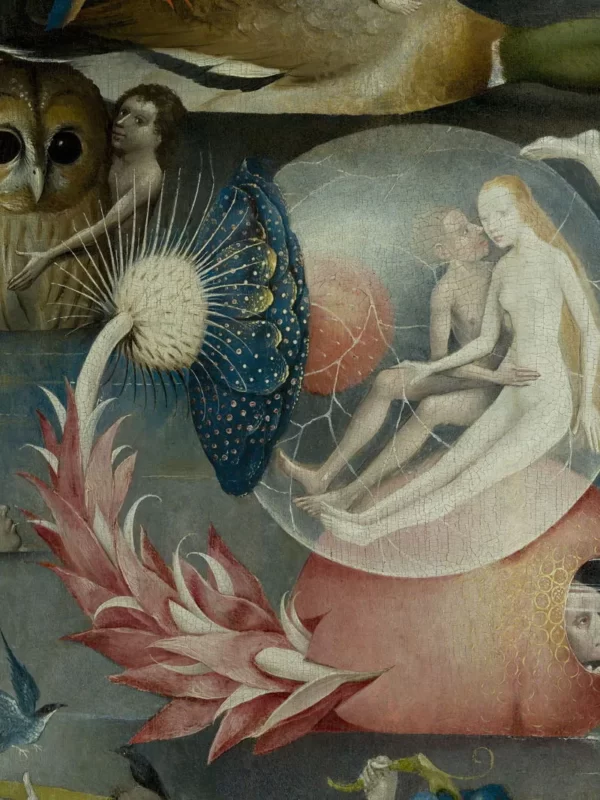
Carl Gustav Jung, the Swiss psychiatrist and founder of analytical psychology, pioneered the concept of the “collective unconscious,” a term that has since echoed through the corridors of psychology, philosophy, and popular culture. This revolutionary concept transcends the boundaries of individual psychology, connecting us to a realm of shared human experiences and archetypes. This article explores the intricate realm of the collective unconscious and its significance in Jungian psychology.
The Collective Unconscious: Journey into the Depths of Shared Psyche Read article
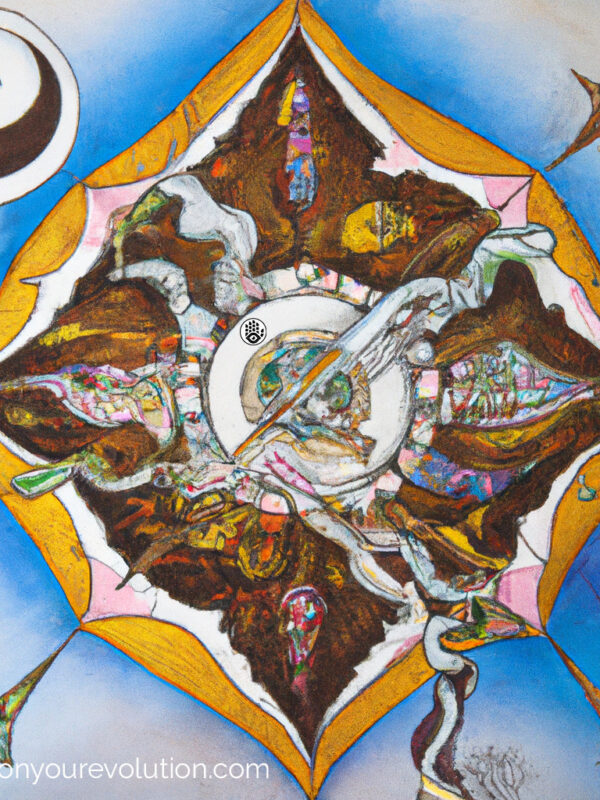
Symbols play a crucial role in dream interpretation within Jungian analytical psychology. Jung believed that symbols in dreams are the language of the unconscious mind. He wrote, “Dreams are the direct expressions of unconscious psychic activity” and that “it is in dreams that we first encounter the symbol without knowing it as such” (“Man and His Symbols,” 1964).
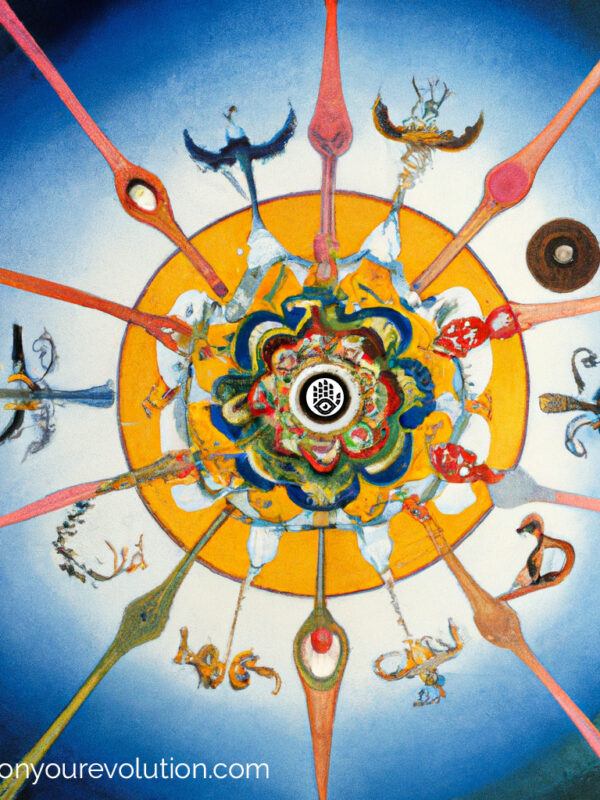
Jung proposed that dreams serve as a tool for psychological integration, bringing to light aspects of the unconscious mind. He wrote, “The dream is a little hidden door in the innermost and most secret recesses of the soul” (“The Meaning of Psychology for Modern Man,” CW 10, para. 304). Rather than viewing dreams as merely disguised wish fulfillments, as Sigmund Freud did, Jung saw them as a bridge to our unconscious, echoing our deepest thoughts, desires, and fears.
Unlocking the Unconscious: An Exploration of Jungian Dream Interpretation Read article

The Jung Mandala stands as a visually captivating artwork painted in a Steam Punk style. Its intricate design incorporates gears, clockwork elements, and metallic textures, evoking an industrial and Victorian era fusion. At the center,
In the name of Brain Read article

In this article you will read about: The Jung Mandala painted in Salvador Dali style depicts a vibrant and surreal composition. In the center, a radiant smiley face symbolizes the secret meaning of happiness. The
Harmonious Fusion Read article