
Temperature
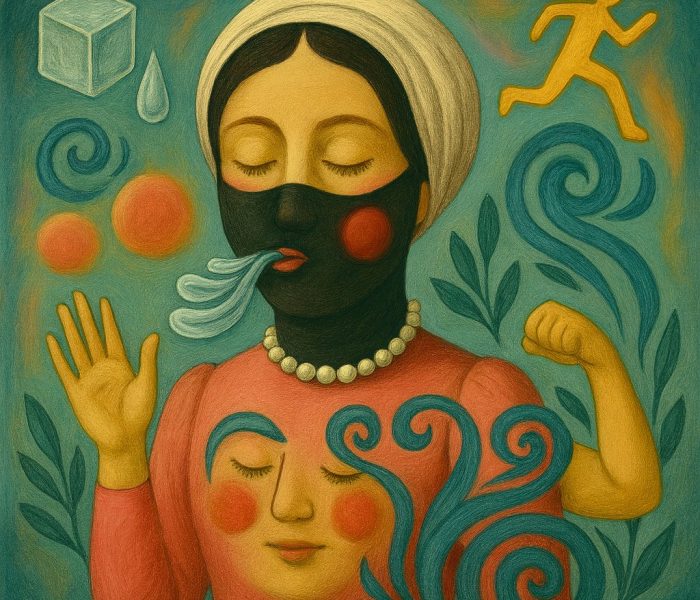
The "Temperature" component involves changing the body's temperature to quickly reduce emotional arousal. One effective method is the "diver's reflex," which is activated by submerging the face in cold water or placing a cold pack on the face. This reflex slows the heart rate, redirects blood flow to the brain and vital organs, and triggers a relaxation response in the body (Linehan, 2015). The diver's reflex is a survival mechanism that helps conserve oxygen in cold water, but it can also be harnessed to calm the body during emotional crises.
Research has shown that rapid changes in temperature can have a significant impact on the autonomic nervous system, helping to reduce the physiological symptoms of anxiety and panic (Kao & Wang, 2012). This is particularly useful in situations where individuals feel overwhelmed by their emotions and need a quick way to bring their arousal levels down.
Intense Exercise
"Intense Exercise" is the second component of the TIPP skill. It involves engaging in short bursts of high-intensity physical activity, such as running, jumping jacks, or sprinting in place. Exercise increases heart rate and helps to burn off excess energy that may be fueling emotional distress (Linehan, 2015). This component is particularly effective for individuals who experience emotions like anger, anxiety, or agitation, which often manifest as physical restlessness.
Intense exercise triggers the release of endorphins, which are natural mood elevators. It also helps to regulate the body's stress hormones, such as cortisol and adrenaline, thereby reducing the overall physiological arousal associated with intense emotions (McEwen, 2007). Moreover, regular physical activity has been linked to improved mood, better stress management, and enhanced cognitive function, making it a valuable tool for emotional regulation (Babyak et al., 2000).
Paced Breathing
"Paced Breathing" involves slowing down the breath to regulate the body's physiological response to stress. The technique typically involves inhaling deeply through the nose for a count of four, holding the breath for a count of four, and exhaling slowly through the mouth for a count of six or eight (Linehan, 2015). The emphasis is on making the exhale longer than the inhale, which helps to activate the parasympathetic nervous system and induce a state of calm.
Research on breathing techniques has shown that controlled breathing can significantly reduce anxiety, lower blood pressure, and improve overall emotional regulation (Jerath et al., 2015). Paced breathing works by slowing the heart rate and reducing muscle tension, both of which are key physiological components of the body's stress response. This makes it an effective tool for managing emotions in the moment, particularly when combined with mindfulness practices.
Progressive Muscle Relaxation
The final component of the TIPP skill is "Progressive Muscle Relaxation" (PMR), a technique that involves tensing and then slowly releasing different muscle groups in the body. The process of tensing and relaxing muscles helps to release physical tension and promotes relaxation throughout the body (Bernstein & Borkovec, 1973). PMR is often used in conjunction with paced breathing to enhance its calming effects.
PMR has been shown to be effective in reducing symptoms of anxiety, stress, and depression (Conrad & Roth, 2007). By systematically working through each muscle group, individuals can become more aware of where they hold tension in their bodies and learn to release it, which in turn helps to reduce emotional distress. PMR is particularly beneficial for individuals who experience chronic muscle tension as a result of stress or anxiety.
Notice You’re in Crisis
Pause and name what’s happening:
“I’m having a panic spike.”
“My anger is getting out of control.”
Rate your emotional intensity from 0–10.
If it’s 7–10, move through all TIPP steps in order.
If it’s lower, you can still use TIPP as prevention.
T = Temperature Shift
Goal: Quickly lower physiological arousal (heart rate, racing thoughts).
Choose one of the following:
Hold a cold pack or a wrapped ice cube to your face (eyes/cheeks).
Splash your face with cold water.
If available, use a bowl/sink with cold water and briefly submerge your face.
Hold the cold stimulus for about 15–30 seconds, then remove.
Repeat 2–3 times if needed, pausing to breathe in between rounds.
Notice: “Is my heart rate slowing? Do I feel even slightly less ‘on fire’ than before?”
I = Intense Exercise
Goal: Burn off excess adrenaline and “fight/flight” energy.
Choose a safe, brief burst of movement:
30–60 seconds of jumping jacks
Running or sprinting in place
Fast walking up and down a hallway or stairs
Continue for 1–3 minutes, staying within your physical limits.
Let your body slow down and notice:
“My muscles feel more tired.”
“The emotional energy feels a bit discharged.”
P = Paced Breathing
Goal: Tell your body, “You’re safe now,” and deepen the calming response.
Sit or stand with your feet on the ground.
Breathe using this pattern (or similar):
Inhale through your nose for 4 seconds
Exhale through your mouth for 6 seconds
Continue for 1–2 minutes, keeping your focus on the count or the feeling of air moving in and out.
If your mind wanders, gently bring it back to the counting.
P = Progressive Muscle Relaxation
Goal: Release remaining tension from the body so the mind can settle.
Sit or lie in a comfortable position.
Move through your body one area at a time:
Face and jaw
Shoulders and arms
Chest and stomach
Hips and glutes
Thighs, calves, and feet
For each area:
Tense the muscles gently for about 5 seconds
Then release completely and notice the difference
Continue until you’ve covered the whole body, or at least 3–4 major areas.