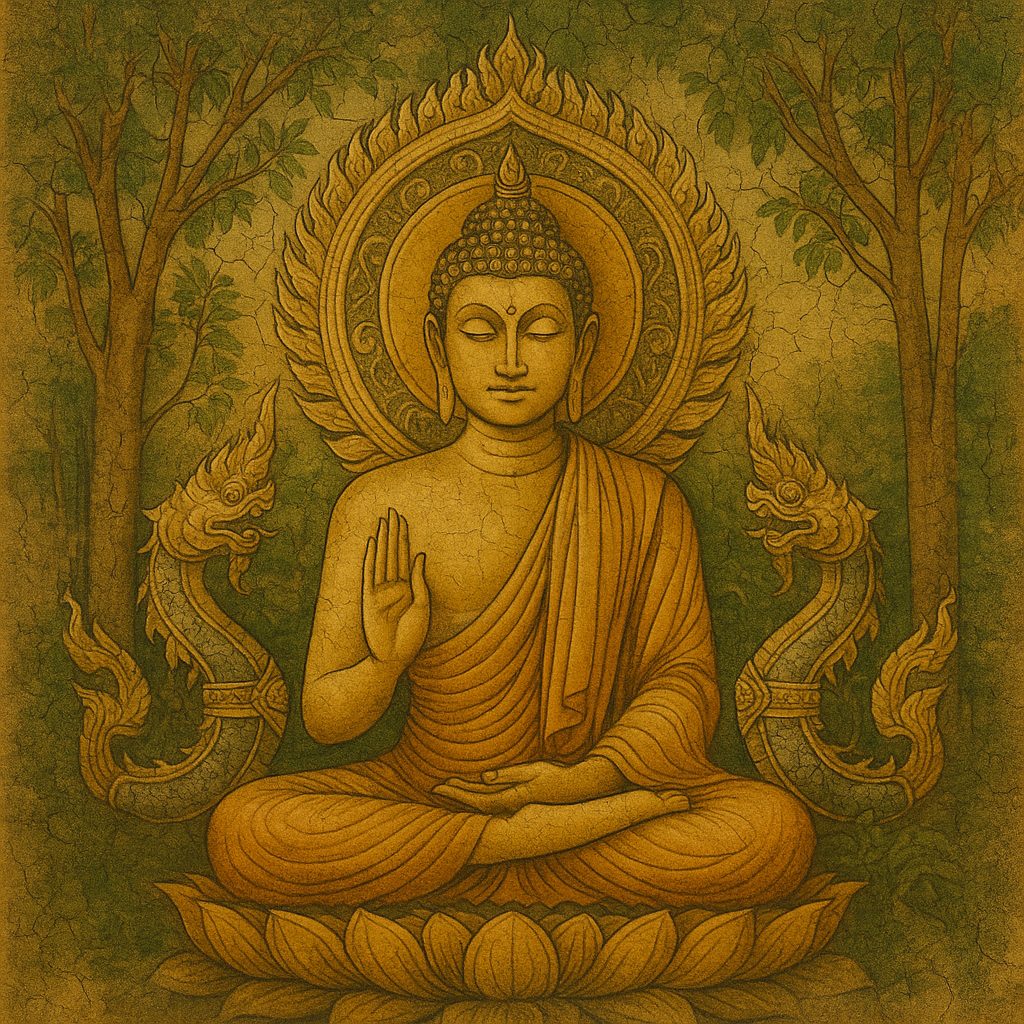
Buddhism: The Psychology of Awakening and the Transformation of Suffering
The Buddhist tradition offers a profound psychological framework for understanding human suffering and transformation. Rooted in the teachings of Siddhārtha Gautama, known as the Buddha (“the awakened one”), Buddhism emphasizes the mind’s central role in shaping perception and experience (Rahula, 1974). Rather than viewing suffering as an external affliction, Buddhist psychology identifies it as a product of attachment, craving, and delusion — patterns that can be observed and transformed through conscious awareness.
At the heart of Buddhism lie the Four Noble Truths and the Noble Eightfold Path, which together outline both the diagnosis and cure for human distress (Harvey, 2013). Through mindfulness, meditation, and ethical practice, Buddhism provides a path toward liberation — a process that deeply resonates with modern psychological approaches to self-awareness, emotion regulation, and cognitive restructuring (Kabat-Zinn, 1994; Wallace & Shapiro, 2006).
Applying Buddhist Insights to Everyday Life: Practical Steps
Buddhism offers more than abstract philosophy — it is a practical psychology of transformation. Modern practitioners can integrate its principles through simple yet profound applications:
Awareness of impermanence – noticing change without resistance.
Mindful presence – observing emotions and thoughts without judgment.
Right speech and intention – aligning communication with truth and compassion.
Meditative reflection – creating space for insight beyond reactivity.
Compassionate action – transforming personal awakening into service to others.
Each of these practices helps dissolve the habitual patterns of craving, aversion, and ignorance that sustain suffering, replacing them with awareness, balance, and empathy.
Buddhism & Psychology: Cognitive Defusion and the End of Proliferation
Cognitive defusion—an Acceptance and Commitment Therapy (ACT) skill—helps us relate to thoughts as thoughts rather than as literal truths. By loosening the grip of inner commentary, we regain room to act in line with our values instead of being pushed around by worry, self-criticism, or rigid rules (Hayes et al., 2006; Hayes, 2011). Buddhist sources anticipate this shift through instructions that de-fuel papañca (mental proliferation) and train a direct, non-appropriative way of knowing: the Satipaṭṭhāna’s steady observation of body, feeling-tone, mind states, and mental qualities (MN 10); the Madhupiṇḍika’s analysis of how contact cascades into proliferation (MN 18); and Bāhiya’s radical cue to remain with “only the seen, only the heard, only the sensed, only the cognized” (Ud 1.10) (Access to Insight, n.d.; Ānandajoti, n.d.; Sujato, n.d.; Thanissaro, 2013). This article explains defusion, maps it to those Buddhist insights, summarizes the modern evidence base, and offers step-by-step practices and a one-week plan to help you integrate the skill in everyday life (Beygi et al., 2023).

Breaking Down the Preconceptions of Contemporary Mindfulness in Western Societies
Since the 1970s, clinical psychology and psychiatry have developed a number of therapeutic applications based on mindfulness for helping people experiencing a variety of psychological conditions. Mindfulness is derived from the concept of Sati, am important element in Buddhism, merged with influences from Zen, Vipassana and Tibetan practices.
Although the numerous benefits of practicing Mindfulness have been researched and demonstrated, we can still observe a veil of mystery and prejudice surrounding the practice. The truth is, the practice can be stripped of its religious and cultural origin and can be seen as a secular practice that has the potential of improving your psychological well-being and overall productivity.
The Intersection of Buddhism and Modern Psychology
Buddhist thought and philosophy share many overlapping points with present-day western psychology. These include a descriptive phenomenology of mental states, emotions and behaviours as well as theories of perception and unconscious mental factors.
Buddhism incorporates an analysis of human psyche, feelings, cognition, conduct and motivation along with therapeutic practices, everything embed within the greater Buddhist ethical thought and philosophical system, thus colouring its psychological terminology in moral overtones.
Psychotherapists such as Erich Fromm and Marsha Linehan have seen in Buddhist enlightenment experiences the potential for transformation, healing and finding existential meaning.
Discover the Top 4 Mindfulness Techniques for Improved Well-Being
Mindfulness is the psychological process of bringing one’s attention to experiences occurring in the present moment, which one can develop through the practice of meditation and through other training. Mindfulness is derived from Sati, a significant element of Buddhist traditions, and based on Zen, Vipassanā, and Tibetan meditation techniques.
Mindfulness practice has been employed to reduce symptoms of depression, to reduce stress, anxiety, and in the treatment of drug addiction. Moreover, research has shown that people who meditate are happier, healthier, and more successful than those who don’t.
In this articles we present the most effective and easy-to-practice mindfulness approaches for everyday life.

Taoism & Modern Psychology: How Wisdom Builds Psychological Flexibility
Taoism offers a vocabulary for moving with life instead of against it: wu wei (effortless action), yin–yang (dynamic complementarity), ziran (spontaneity/naturalness), pu (the uncarved block), and de (potency/virtue). Modern psychology, meanwhile, maps how flexible minds suffer less and perform better through processes like flow (Csikszentmihalyi, 1990), self-determination (Ryan & Deci, 2000, 2017), mindfulness/acceptance (Kabat-Zinn, 2013; Lindsay & Creswell, 2017), and psychological flexibility (Hayes et al., 2006; Kashdan & Rottenberg, 2010). Read together, they point to a practical training: respond with less struggle and more precision.

Wu Wei and the Psychology of Flow
This article examines wu wei—a central Taoist concept often glossed as “effortless action”—and explicates its convergence with the psychological construct of flow. Drawing on classical sources (e.g., Dao De Jing, Zhuangzi) and contemporary research on optimal experience and performance, I argue that wu wei is best understood as a normative ideal of uncontrived effectiveness, in which actions are attuned to the affordances of the situation and consequently appear effortless (Ames & Hall, 2003; Watson, 1968). Flow research, for its part, operationalizes a closely related experiential profile characterized by high concentration, diminished self-referential processing, clear proximal goals, rapid feedback, and an optimal challenge–skill balance (Csikszentmihalyi, 1990; Nakamura & Csikszentmihalyi, 2009).
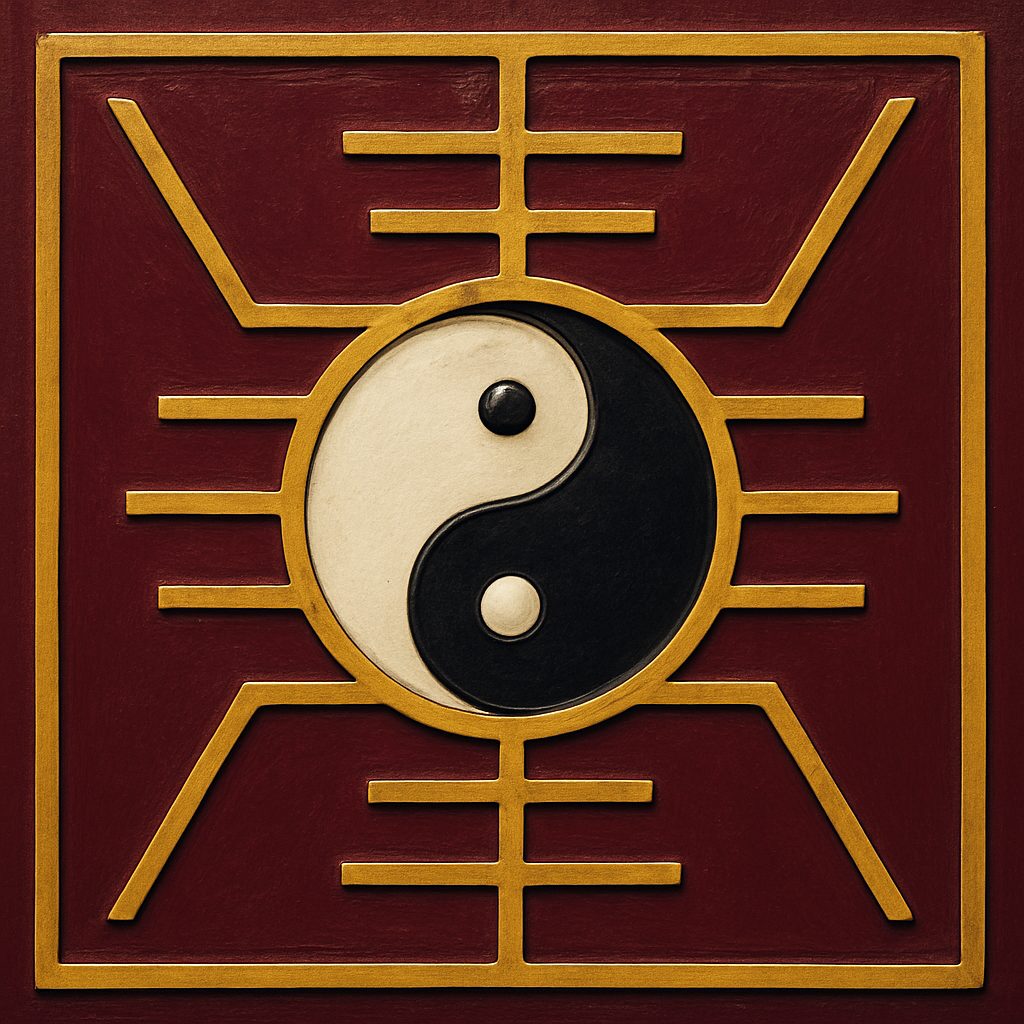
Yin–Yang and Dialectical Emotion Regulation
Yin–yang names a dynamic complementarity: apparent opposites interdefine, interpenetrate, and transform one another (Ames & Hall, 2003). Modern psychotherapy reaches a similar stance through dialectics—holding acceptance and change together to reduce rigid, all-or-nothing reactions (Linehan, 1993, 2015). This article translates yin–yang into a practical framework for emotion regulation that integrates (a) mindful allowing of internal experience (yin) with (b) shaping behavior toward values and contingencies (yang). We review supportive evidence and offer concrete drills you can apply in daily life or clinical settings (Gross, 2015; Lindsay & Creswell, 2017).

Ziran (Naturalness) and Self-Determination
Ziran in Taoism names behavior that arises “of itself,” fitted to one’s nature and the situation rather than forced by self-conscious pretense (Zhuangzi, trans. Watson, 1968). Self-Determination Theory (SDT) in psychology shows that when the basic needs for autonomy, competence, and relatedness are supported, motivation becomes more integrated, vital, and durable (Ryan & Deci, 2000, 2017). Read together, Taoist naturalness ≈ an autonomy-supportive ecology: fewer controlling scripts, more values-congruent action, and skillful scaffolding that lets effective behavior “flow” from person–context fit.

“Fasting of the Mind” (心齋) and Cognitive Defusion
Zhuangzi’s teaching on xinzhai—“fasting of the mind”—trains a way of perceiving that is open, ungrasping, and minimally editorial, so that experience is sensed without clinging to evaluative chatter (Watson, 1968). In contemporary clinical science, cognitive defusion in Acceptance and Commitment Therapy (ACT) cultivates a parallel stance: thoughts are seen as events (words, images, sensations) rather than orders that must be obeyed (Hayes, Luoma, Bond, Masuda, & Lillis, 2006). Across conditions, defusion and acceptance contribute to psychological flexibility—the capacity to contact the present moment and move in line with values—which predicts better mental health and functioning (Kashdan & Rottenberg, 2010; Hayes et al., 2006).
Pu (the Uncarved Block) and Beginner’s Mind
In Taoist thought, pu (朴)—the “uncarved block”—symbolizes low preconception and high receptivity: a mind not over-shaped by fixed categories, able to meet the world freshly (Ames & Hall, 2003). Modern mindfulness calls this stance beginner’s mind, which learning science links to reduced confirmation bias, broader exploration, and more flexible problem-solving (Kabat-Zinn, 2013; Nickerson, 1998). Contemporary evidence converges: cultivating an open, non-grasping mode of attention expands search in the problem space, counteracts cognitive fixation, and supports creativity and adaptive action (Colzato, Ozturk, & Hommel, 2012; Bilalić, McLeod, & Gobet, 2008; Kounios & Beeman, 2014).
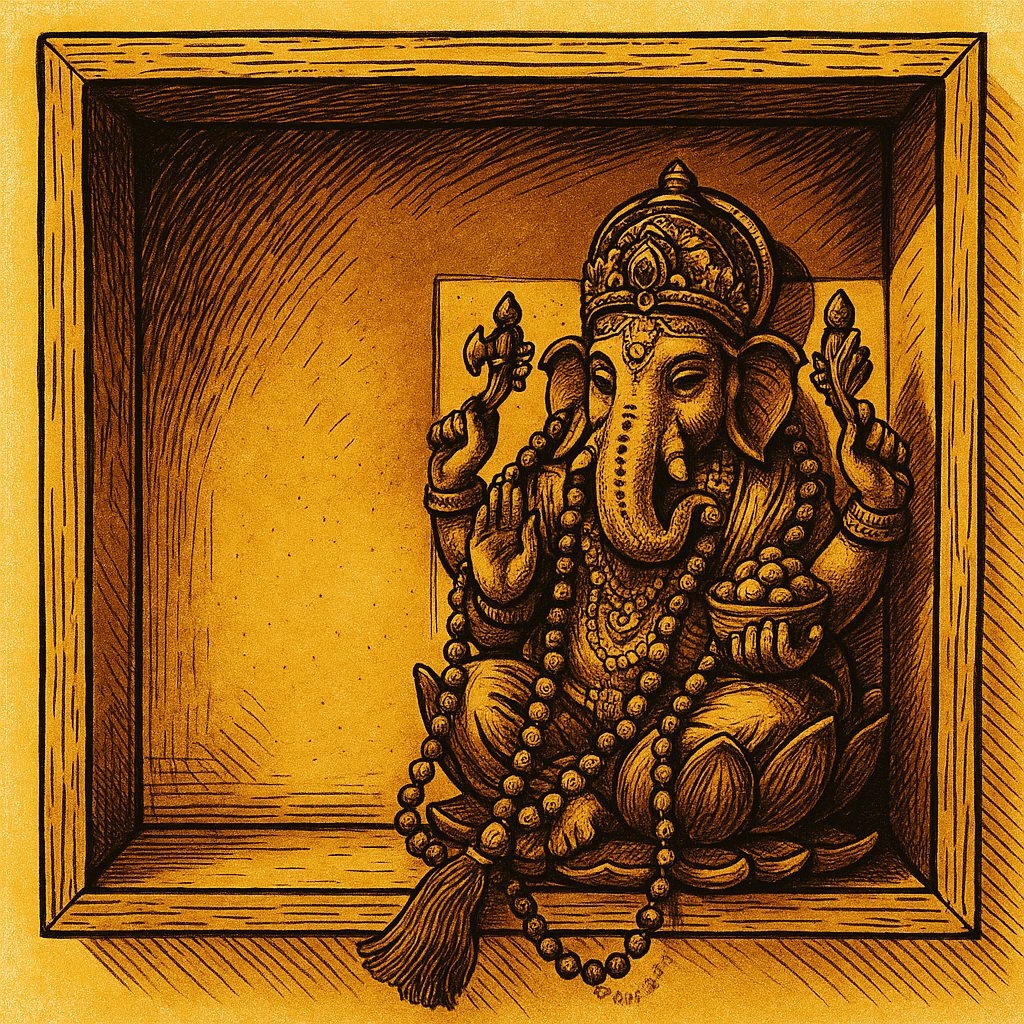
What Is Dharma? A Hindu Guide to Life Purpose and Right Action
Dharma is one of the most important and misunderstood concepts in Hindu philosophy. Often translated simply as duty, ethics, or religion, dharma actually refers to a multidimensional principle that connects cosmic order, individual purpose, and right action. At its core, dharma is the intelligent structure that keeps everything—from galaxies to human emotions—functioning in harmony (Radhakrishnan & Moore, 2020).
For a modern seeker, dharma functions as both a spiritual compass and a psychological framework for making aligned, meaningful decisions. Understanding dharma can clarify why certain paths feel “right,” why misalignment causes inner conflict, and how individuals can evolve consciously rather than reactively.

The Law of Karma: How Hindu Philosophy Explains Cause, Effect, and Your Next Chapter
The phrase “law of karma” is everywhere—casual memes, self-help books, and spiritual circles. But in Hindu philosophy, karma is not just “what goes around comes around.” It’s a sophisticated law of cause and effect that links your intentions, actions, and inner state to the experiences you move through—across this life and, traditionally, across many.
In Indian traditions, karma is described as a universal causal law: the ethical dimension of cause and effect where beneficial actions tend to produce beneficial results, and harmful actions tend to produce suffering.
It’s not a cosmic scoreboard, but a subtle feedback system that teaches, refines, and ultimately supports liberation.
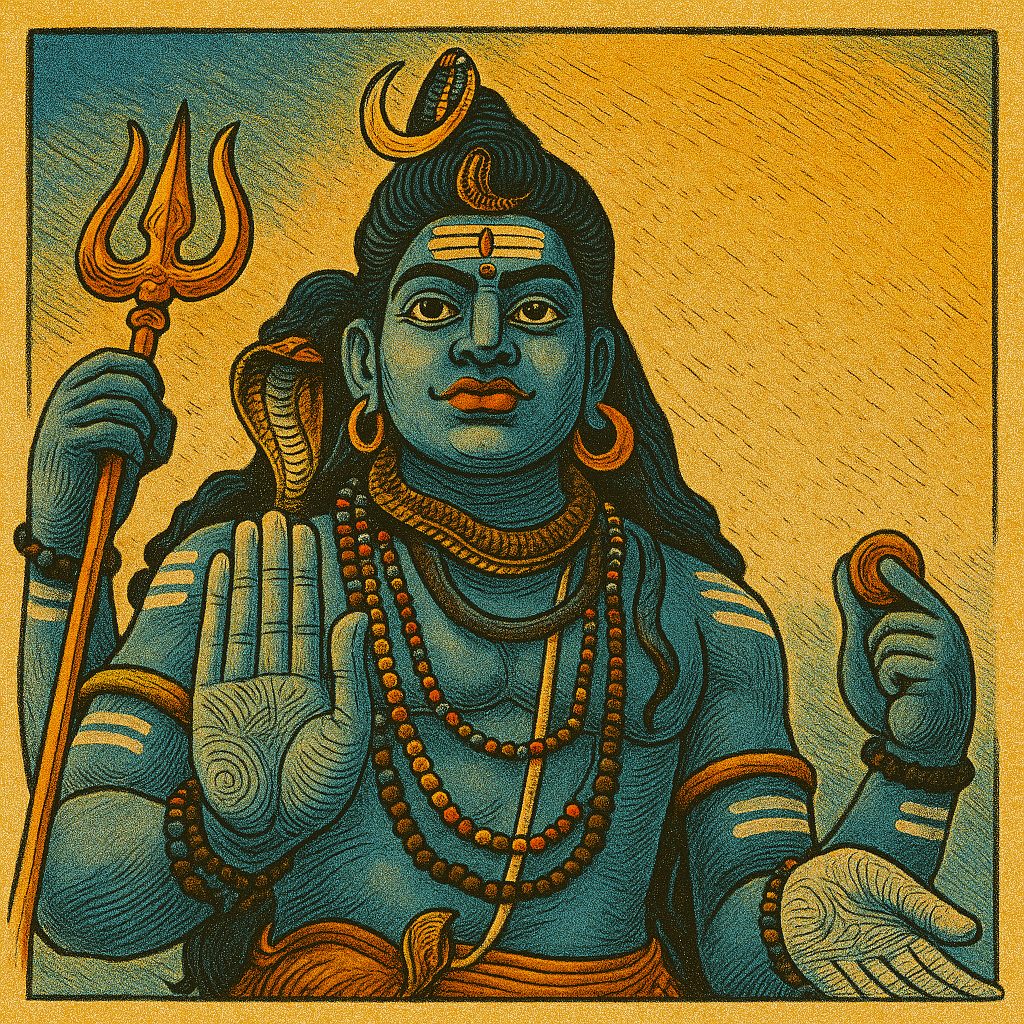
Atman and Brahman Explained: The Hindu Map of the True Self
In Hindu philosophy, Atman and Brahman are two of the most powerful—and most confusing—words you’ll encounter. Atman is usually translated as the inner Self or soul, while Brahman is the ultimate reality or universal consciousness.
The Upanishads describe a radical insight: at the deepest level, Atman and Brahman are not-two—the core of who you really are is not separate from the ground of all existence.
For a modern seeker, this isn’t just metaphysics. It’s a map for moving beyond ego narratives, healing fragmentation, and stabilizing in a deeper, freer sense of self.
What Is Moksha? Hinduism’s Path to Liberation from Samsara
In Hindu philosophy, moksha is the ultimate goal of life: liberation from the cycle of birth and death (saṃsāra) and the realization of our deepest nature as free, whole, and undivided. It is often translated as release, emancipation, or spiritual liberation—but these English words only hint at its scope.
Traditionally, moksha is one of the four Purusharthas—the four aims of human life—alongside dharma (meaningful order), artha (prosperity), and kāma (pleasure).
Where the first three organize earthly life, moksha points to inner freedom beyond all roles and cycles.
For a modern seeker, moksha is not just a distant metaphysical promise. It’s also a psychological and existential shift: freedom from compulsive patterns, fear, and ignorance, and a stable sense of inner clarity that transforms how we live.
The Four Goals of Life in Hinduism (Purusharthas)
Hinduism doesn’t just ask “What is the meaning of life?”—it hands you a structured answer.
That answer is the Purusharthas: the four core goals or aims of human life—dharma, artha, kama, and moksha. Together, they form a holistic life design framework that balances ethics, ambition, pleasure, and spiritual freedom.
For a modern seeker, the Purusharthas function like a four-part compass:
How do I live with integrity? (Dharma)
How do I create material stability and impact? (Artha)
How do I honor desire, joy, and connection? (Kama)
How do I move toward deep inner freedom? (Moksha)
This article unpacks each goal in clear language and shows how you can use them to design a balanced, purpose-driven life.
Using Dharma, Karma, and Bhakti to Evolve Your Inner World
Hinduism doesn’t treat “spiritual life” as a side project. It treats your entire life—work, relationships, health, and inner world—as raw material for awakening.
Recent work in Indian psychology and positive psychology shows that Hindu concepts like dharma, karma, yoga, and bhakti map closely onto what we now call flourishing, resilience, and meaning in life.
SpringerLink
+1
This article shows you how three core Hindu principles—dharma (aligned living), karma (conscious action), and bhakti (devotional love)—can become a practical framework for spiritual growth and inner evolution.