admin

Kinesthetic Learning Style: Insights from the Learning Styles Inventory | Envision your Evolution | Take the Test Online

Kinesthetic Learning Style: Insights from the Learning Styles Inventory

In educational psychology, understanding how individuals best acquire, process, and retain information is critical for developing effective instructional methods. The Learning Styles Inventory (LSI), developed by David Kolb and later adapted into models such as VAK (Visual, Auditory, Kinesthetic), has become a popular tool to identify learning preferences. Among the different learning styles assessed by the LSI, the kinesthetic learning style holds unique importance for those who learn best through physical activity and tactile experiences. Kinesthetic learners prefer to engage directly with their environment by using their bodies and hands to explore and understand new information (Dunn & Dunn, 1992). This article explores the characteristics of kinesthetic learners, how the Learning Styles Inventory measures this learning preference, and practical strategies for educators to incorporate kinesthetic learning into various educational settings.

Kinesthetic Learning Style: Insights from the Learning Styles Inventory Read article

Exploring Personal Burnout | Envision your Evolution | Take the CBI Test Online

Exploring Personal Burnout

In recent years, burnout has emerged as a critical concern in mental health, occupational psychology, and well-being studies. While burnout was once primarily associated with professional contexts, the evolving research landscape has shown that it is also a deeply personal phenomenon. This is especially evident in the Personal Burnout dimension of the Copenhagen Burnout Inventory (CBI). Created by Kristensen et al. (2005), the CBI is widely used in burnout research due to its unique, multidimensional approach, allowing for an in-depth understanding of personal, work-related, and client-related burnout dimensions. Personal Burnout, in particular, refers to the general, overall feeling of exhaustion and fatigue that an individual experiences, regardless of its connection to a specific job or activity (Kristensen et al., 2005). This article examines the nature and significance of Personal Burnout, explores factors contributing to it, and reviews research applications of the CBI’s Personal Burnout dimension.

Exploring Personal Burnout Read article

Auditory Learning Style: Insights from the Learning Styles Inventory | Envision your Evolution | Take the Test Online

Auditory Learning Style: Insights from the Learning Styles Inventory

The Learning Styles Inventory (LSI) has become a widely used tool for identifying individual preferences in learning, helping educators and learners to better understand how information is most effectively processed. Among the various learning styles identified through LSI, the auditory learning style stands out as a particularly significant one, especially in classroom settings where lectures, discussions, and verbal instruction are the primary modes of communication. Auditory learners rely heavily on sound to absorb, process, and retain information, often excelling when they can listen to explanations or engage in discussions (Fleming, 2001). This article explores the characteristics of auditory learners, how the Learning Styles Inventory measures this learning preference, and strategies educators can use to create more inclusive learning environments for auditory learners.

Auditory Learning Style: Insights from the Learning Styles Inventory Read article

Understanding Work-Related Burnout | Envision your Evolution | Take the Test Online

Understanding Work-Related Burnout

Burnout is a complex psychological state characterized by chronic stress, emotional exhaustion, and a sense of reduced personal accomplishment. Initially identified in helping professions, burnout is now recognized as a pervasive issue across various work settings and industries (Maslach & Leiter, 2016). Work-related burnout, as conceptualized in the Copenhagen Burnout Inventory (CBI) developed by Kristensen et al. (2005), specifically measures exhaustion and fatigue that stem from work demands. This dimension of burnout is critical because it isolates the influence of job-related stressors on an individual’s mental and physical health, offering insights into how work environments can impact employees’ well-being. This article provides an in-depth examination of work-related burnout, exploring the CBI’s approach to measuring it, the primary causes, and implications for individual and organizational health, with recommendations for reducing its prevalence.

Understanding Work-Related Burnout Read article

Self-Soothe Skill in Dialectical Behavior Therapy DBT | Dialectical Behavior Therapy Skills Toolkit | Envision your Evolution

Self-Soothe Skill in Dialectical Behavior Therapy DBT

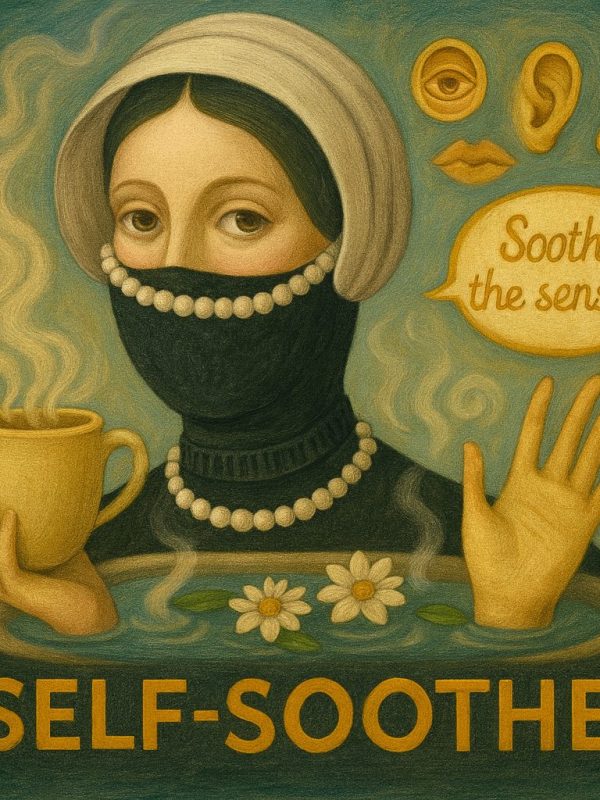
The Self-Soothe skill is a core distress tolerance tool that helps you calm intense emotions by using your five senses: sight, hearing, smell, taste, and touch. Instead of turning to self-destructive behaviors when overwhelmed, you intentionally create comforting, sensory experiences—like soft lighting, calming music, a favorite scent, a warm drink, or a cozy blanket.
By building a personalized “self-soothe kit” and practicing these actions before and during crises, you teach your nervous system that there are safe, nurturing ways to ride out emotional pain, rather than reacting impulsively or shutting down.

Self-Soothe Skill in Dialectical Behavior Therapy DBT Read article

The TIPP Skill in Dialectical Behavior Therapy DBT | DBT Skills Toolkit | Envision your Evolution

The TIPP Skill in Dialectical Behavior Therapy DBT

The TIPP skill is a fast-acting distress tolerance tool designed to bring your body out of “emotional overdrive.” TIPP stands for Temperature, Intense Exercise, Paced Breathing, and Progressive Muscle Relaxation. These techniques target your nervous system directly: changing your body temperature (like using cold water), engaging in short bursts of vigorous movement, slowing your breath, and releasing muscle tension.

When emotions spike to a 9 or 10 out of 10, TIPP helps you quickly reduce physiological arousal so your brain can think more clearly—making it easier to use other DBT skills and choose safer, more effective actions.

The TIPP Skill in Dialectical Behavior Therapy DBT Read article

The ACCEPTS Skill in Dialectical Behavior Therapy DBT | Dialectical Behavior Therapy Skills Toolkit| Envision your Evolution

The ACCEPTS Skill in Dialectical Behavior Therapy DBT

The ACCEPTS skill is a core distress tolerance strategy used to help you get through intense emotions without making the situation worse. ACCEPTS stands for Activities, Contributing, Comparisons, Emotions, Pushing away, Thoughts, and Sensations. Each letter offers a different way to temporarily shift your focus when you’re overwhelmed—like distracting yourself with a task, helping someone else, generating an opposite emotion, or using strong but safe physical sensations. ACCEPTS doesn’t erase the problem; it buys you time. By using these tools when urges are high, you can ride out emotional waves more safely and protect your long-term goals.

The ACCEPTS Skill in Dialectical Behavior Therapy DBT Read article

Leveraging AI for Spreading Awareness and Education in Psychology | Envision your Evolution

Leveraging AI for Spreading Awareness and Education in Psychology

Artificial Intelligence (AI) has dramatically transformed numerous sectors, from healthcare to finance, and education is no exception. In psychology, AI offers remarkable potential to enhance awareness and education, addressing the critical need for accessible, personalized, and effective learning tools. This article explores the diverse applications of AI in promoting psychological education and awareness, the benefits and challenges it presents, and future directions for its implementation.

Leveraging AI for Spreading Awareness and Education in Psychology Read article

The Role of Generative AI in Psychometrics: Innovations and Applications | Envision your Evolution

The Role of Generative AI in Psychometrics: Innovations and Applications

The field of psychometrics, which focuses on the measurement of psychological attributes such as intelligence, personality, and mental health, has long relied on traditional methodologies for test creation, administration, and analysis. However, the advent of artificial intelligence (AI), particularly generative AI, is poised to revolutionize this field. Generative AI, which encompasses machine learning models capable of generating new data, has the potential to enhance psychometrics by improving test design, personalizing assessments, and providing deeper insights into psychological constructs. This article explores how generative AI can be employed in psychometrics, discussing its applications, benefits, challenges, and future directions.

The Role of Generative AI in Psychometrics: Innovations and Applications Read article

The Utilization of Artificial Intelligence in Psychology | Envision your Evolution

The Utilization of Artificial Intelligence in Psychology

Artificial Intelligence (AI) has rapidly evolved and permeated various fields, significantly impacting how services are delivered and improving efficiency and outcomes. One such field where AI shows tremendous potential is psychology. AI’s integration into psychological practice and research offers innovative approaches to understanding, diagnosing, and treating mental health conditions. This article explores how AI can be employed in psychology, examining its benefits, challenges, and future directions.

The Utilization of Artificial Intelligence in Psychology Read article

Envision your Evolution

Contemporary psychology

Envision your Evolution 2025 © All Rights Reserved
Scroll to Top